
Write your story.
Not the stories they've been
and keep handing you.
Women’s self-expression within dominant narrative codes
is often more linear, less liberating—
constrained by forms not made for us.
Most writing courses teach conventional narrative
(the simple beginning-middle-end structure).
It is the dominant fictional mode in our society—
but only one type of writing
amongst a range of alternatives.
When you feel blocked
Many women writers struggle with writer’s block.
They are held back by internalized censorship, fear of rejection, and work that remains unpublished or “in limbo.”
Female authors have described this struggle for a long time.
Often, this struggle arises when material is forced into inherited narrative forms too early—before it has been properly explored.
There is a long history of women writers who questioned this form and developed other ways of writing.
You don’t have to invent the wheel (though that’s what most women end up doing).
How I help
At the core of my teaching are two closely connected practices:
searching for your material
and
mastering your material
Searching for your material means learning to recognize what you want to write about before shaping it.
Mastering your material means learning how questions of form arise from that material, rather than being imposed on it.
This is where many women begin writing again.
Who's behind this?
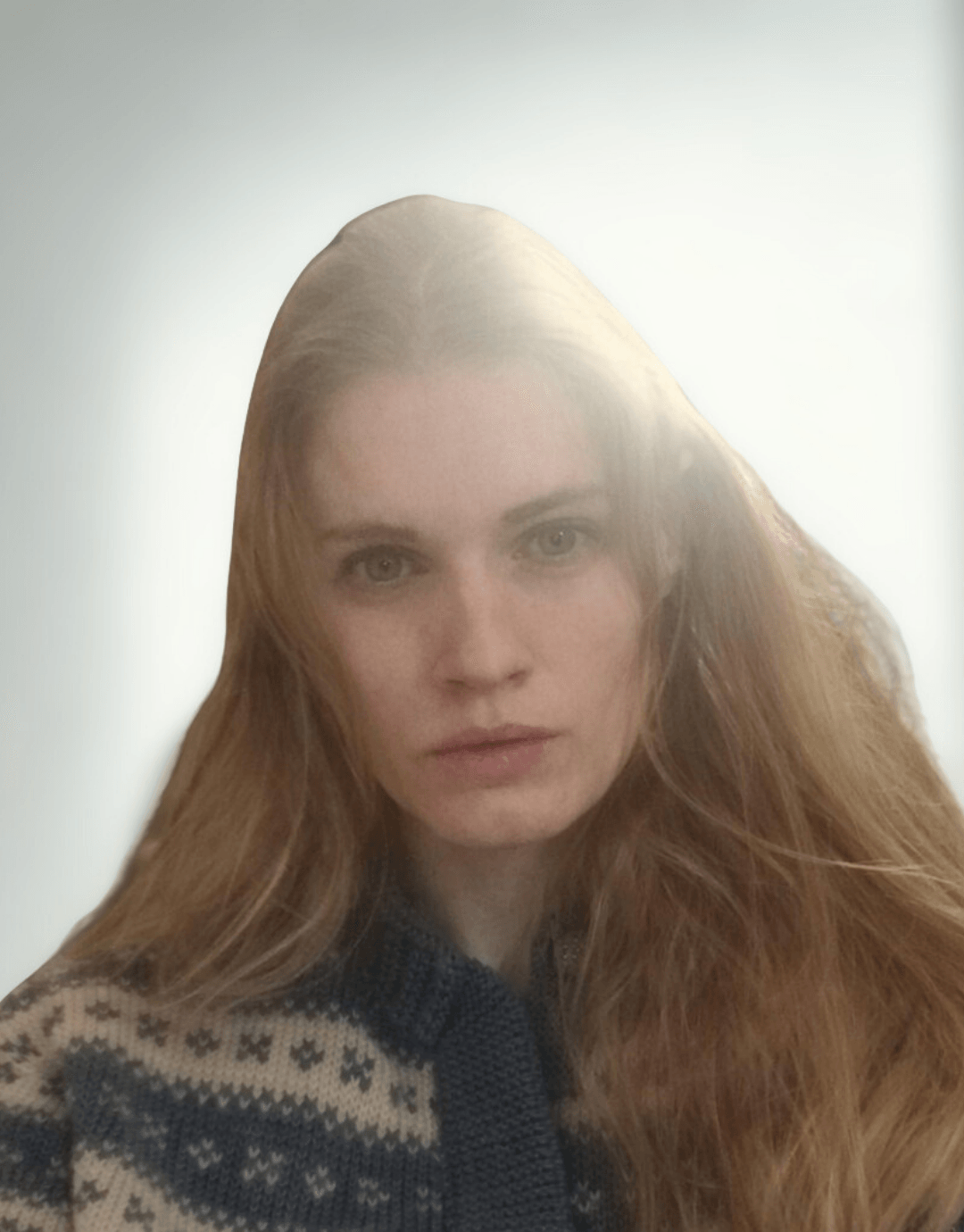
Hi, I’m Madeleine Ferre.
I teach women’s writing, with an emphasis on feminist literary practises.
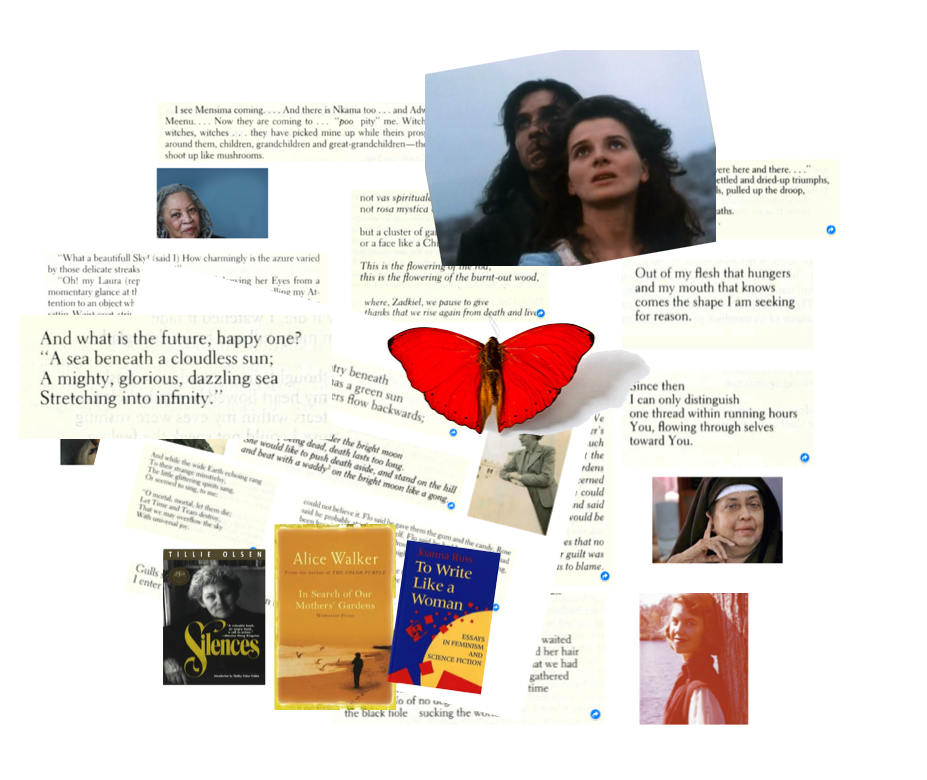
I began teaching women’s writing and women’s literature in small online groups. When my students asked for a course on writing (as opposed to reading), I studied narratology and feminist theory and read widely in women’s feminist fiction and innovative writing. Through this work, I built a framework for exploring feminine/feminist narrative.
My courses help women move away from the stories they have been handed and begin writing their own.
How We Can Work Together
I offer writing programs for women who want to work seriously with their material—both its content and its form.
To write your story
Searching for your material comes first.
Mastering your material follows.
That is how form becomes something that grows out of the work itself.
You might be wondering: Can this work for me?
Maybe you feel blocked every time you try to write.
Maybe you cannot stop judging yourself while you write.
Many women writers struggle with anxiety when writing, an inner critic that takes over, and the constant fear of not being “good enough.”
The women who come to my courses often arrive with these doubts.
They leave having experienced what it feels like to write without inhibition.
Testimonial
"I am in awe and wonder with all these amazing doors that Madeleine Ferre is opening in such a non-linear, but very, very relating way to each other. My mind is going so many places with every new thread that unravels of this great tapestry that is women's writing world. Thank you all also for sharing your insights and adding value to this amazing non-linear trajectory that we are walking together here!"
- Rita Ruivo, participant in the courses Find your Female Tools of Expression and Find your Female Narrative Tools
Testimonial
"I am 46 years old and for the first time in my life I felt validated as a woman writer and not just validated but celebrated. I had never seen those aspects of myself as I did doing this course. It helped me uncover me, myself, my hidden self, my blind side. I am much more alive, excited, empowered and enthusiastic about the future and I am ready to embrace it all without apology. This course was like therapy and wisdom, and coaching and teaching all in one! Do it!"
- Michelle Foulia, participant in the course Find your Female Tools of Expression
Testimonial
"I was taken on a journey of discovery, an adventure into the labyrinth of my mind. It began with me tentatively creeping round corners of creativity to find what may be lurking there. There were twists and turns, moments of uncertainty that ultimately led me to personal awakening. I now have a clearer understanding of myself both as a writer and as a woman. I have learned to embrace both!"
- Linda Coventry, participant in the courses Find your Female Tools of Expression and Find your Female Narrative Tools
Ready to write your story?
Ready to begin working with your material—without forcing it into inherited forms?
You don’t need to have it all figured out.
You need space to search for your material and time to work with it.
Email Address
We respect your privacy.
© Mad Women Writers 2025